

Queensland Health has funded five new Skin Cancer Early Detection clinics in regional towns after early pilot sites detected 30 cancers among just 76 patients screened, a strike rate that suggests how much undiagnosed skin cancer is likely sitting undetected across the state.
The numbers driving the funding decision
Queensland records more than 3,600 melanoma diagnoses and around 350,000 non-melanoma skin cancer treatments every year, figures that have kept the state’s rates the highest in the world for both categories. The $8.4 million package funds five additional clinics in North West, South West and Central Queensland, plus Mackay and Townsville.
Non-melanoma treatments dwarf melanoma diagnoses roughly a hundredfold, which is easy to overlook given how much public attention melanoma receives by comparison. Basal cell and squamous cell carcinomas rarely make headlines, but the volume of Queensland Medicare services treating them each year shows how routine skin cancer treatment has become for the state’s health system.
Those regions were chosen specifically because specialist access is thinnest there, meaning patients have historically had to travel long distances or wait far longer than their South East Queensland counterparts for a professional skin check.
The 30 cancers detected among 76 pilot patients works out to roughly a 39 percent detection rate, an unusually high figure that suggests the regional gap in screening access has left a meaningful backlog of undiagnosed cases in those communities.
A campaign aimed at a specific age group
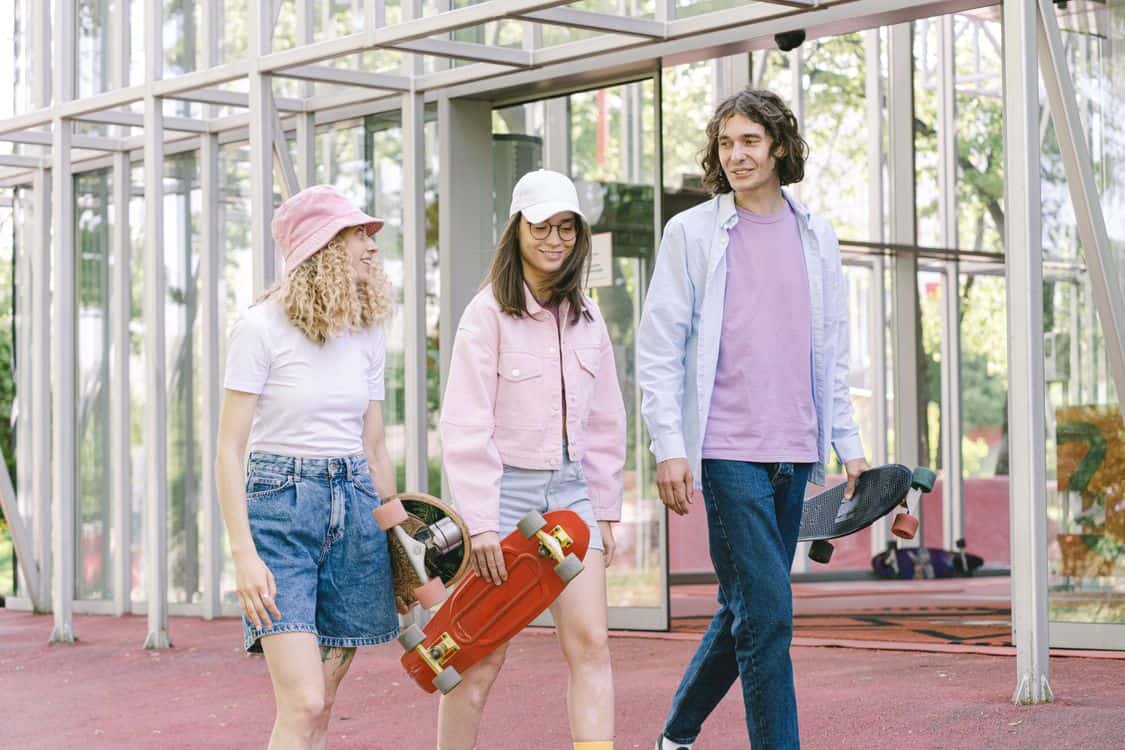
Alongside the clinic funding, the state launched “Sunshine: You do the 5,” a three-month summer campaign specifically targeting 18 to 34 year olds, a demographic that tends to underestimate its own skin cancer risk relative to older Queenslanders.
The naming choice itself is deliberate, distilling the five-step slip, slop, slap, seek, slide message into something short enough to work across social platforms where the target demographic actually spends its time, rather than relying on the longer-form messaging used in older campaign materials.
The announcement also included shade tree planting resources and UV modelling tools for local councils, reflecting a broader push to reduce ambient sun exposure risk in public spaces, not just clinical detection rates.
Targeting 18 to 34 year olds specifically addresses a known gap in prevention messaging. That age group tends to associate skin cancer risk with older generations, despite decades of cumulative unprotected exposure during childhood and adolescence already putting many of them at elevated risk by the time they reach their thirties.
What it means for Brisbane patients
While the new clinics target regional gaps, the funding announcement has a flow-on effect for metropolitan demand too, since public messaging campaigns tend to lift skin check bookings across the state, including in Brisbane, once they start running.
Clinics offering established skin cancer treatment Brisbane patients already rely on are likely to see booking volume rise in step with the campaign period, particularly among the younger demographic the “Sunshine” campaign is specifically designed to reach.
That seasonal uptick is consistent with previous state campaigns, where public messaging periods have reliably preceded a measurable rise in skin check bookings across both public and private clinics, even in areas the campaign wasn’t specifically targeting.
Minister Shannon Fentiman’s framing of the announcement, that Queensland’s world-leading skin cancer rates are “something we want to change,” is modest given the scale of the numbers involved, but the combination of regional clinic funding and targeted youth messaging is one of the more structured state-level responses to the problem in recent years. Whether the detection rate seen in the pilot clinics holds up as the program scales to five new sites will be the figure worth watching over the next few reporting cycles.




Leave a Comment