

On the first Friday of March, before the sun was fully up, people started lining up outside Walters Hall on the UC Blue Ash campus. They came for one thing: a single free dental service, handed out first-come, first-served, until the noon cutoff. A filling. A cleaning. An extraction. For a lot of the adults in that line, it was the only dental appointment they expected to get all year.
The University of Cincinnati Blue Ash College has run its Community Dental Day every spring since 2016, staffing it with dental hygiene students, faculty, and a rotating group of volunteer dentists from around the region. It is, by any measure, a good thing. It is also a quiet indictment. When a once-a-year clinic on a college campus becomes a fixture that people plan their year around, the event stops being a feel-good story and starts being a data point about how hard routine dental care is to reach in Greater Cincinnati.
A Once-a-Year Clinic Doing Year-Round Work
The numbers from the program tell the story plainly. Since it started, Community Dental Day has delivered more than $310,000 in free restorative care since 2016, treating over a thousand patients who otherwise might not have made it into a dental chair. Spread across nearly a decade, that is not an enormous figure in dollar terms. What makes it striking is the demand it represents. Each of those patients was someone for whom a normal dental visit was out of reach, either because of cost, insurance, or simply not knowing where to go.
The college built the event specifically to address the growing need for dental care among underserved populations in the area. That framing matters. This was not designed as a community-relations gesture. It was designed as a release valve for a population that, the rest of the year, has very few options. The hygiene students get clinical experience; the patients get one problem solved. Then the doors close until next March.
For the people who get seen, it works. For the people still in line at noon, it does not. And for the much larger group who never heard about the event, or could not take a weekday morning off work, or had no way to get to Blue Ash, it was never an option to begin with. A single annual clinic, however well run, cannot absorb the year-round dental needs of a metro area of more than two million people.
What the Line Outside Walters Hall Actually Means
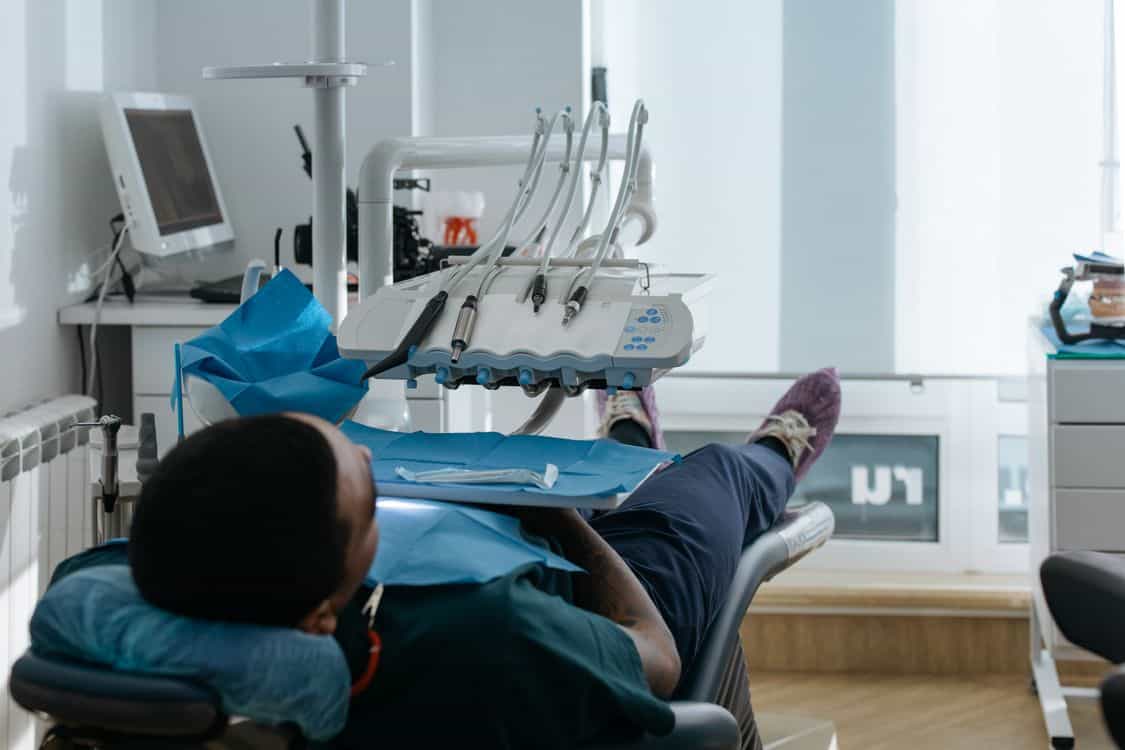
It is worth being precise about what a long line at a free clinic signals. It is not that people do not care about their teeth. It is that the ordinary path to dental care has too many obstacles in it. Cost is the obvious one. Dental insurance is patchy, adult Medicaid dental coverage has limits, and a lot of working adults fall into the gap where they earn too much for assistance and too little to comfortably absorb a few hundred dollars for a crown.
Geography and scheduling pile on. A dentist who takes a given plan may be across the county with a weeks-long waiting list. Appointments are during business hours, which is its own barrier for hourly workers who lose pay when they leave a shift. Each of these obstacles is individually surmountable. Stacked together, they push routine and even moderately urgent dental problems down the priority list until something forces the issue.
And something usually does. A small cavity that could have been filled cheaply becomes a deep one. A cracked filling becomes an exposed nerve. The problem that a person kept meaning to deal with finally deals with them, generally at the worst possible time and in the most painful possible way. By then the cheap, early intervention is off the table, and the patient is looking at a bigger procedure they can afford even less than the one they skipped.
When the Calendar Runs Out, the Pain Doesn’t
This is where the once-a-year model shows its limits most sharply. Dental pain does not wait for the next Community Dental Day. An abscess does not schedule itself around a college’s academic calendar. When a tooth flares up in June, the free March clinic is no help, and the patient is left with the same short list of bad options: tough it out, hope it passes, or head somewhere that is actually open.
For a lot of people in that situation, “somewhere that is open” means a hospital emergency department, which can manage the pain but cannot fix the tooth. The result is a cycle that costs the health system far more than a dental visit would have and resolves nothing. The patient returns home with antibiotics and a referral, and the underlying problem stays exactly where it was.
The fix that public-health researchers keep pointing to is not glamorous. It is making real dental care reachable on an ordinary timeline, including when problems turn urgent outside of business hours. Free annual clinics are a stopgap, and a generous one. But the gap they are bridging is large, persistent, and felt most acutely on the days the calendar offers nothing. The line outside Walters Hall every March is a reminder of how many Cincinnatians are waiting for a door that is open when they actually need it.








Leave a Comment