

Austin homeowners tend to worry about their roofs in spring, when the hail comes. The season that quietly does more damage arrives later, lasts longer, and never makes the same kind of noise. It is the summer, and the heat it brings is steadily shortening the life of roofs across the city.
Hail is dramatic and sudden. Heat is patient. Over enough summers it accomplishes the same thing a storm does, just without a single day anyone can point to.
A Climate That Ages Shingles Early
The trend is not subtle anymore. In 2023 Austin recorded eighty days at or above one hundred degrees, one of its hottest summers on record, and forecasters expect the city’s tally of triple-digit days to double by 2050. What was once an occasional extreme is becoming the baseline.
Asphalt shingles are engineered to flex, but relentless heat pushes that flexibility past its limit. Ultraviolet radiation breaks down the binder that holds the shingle together, granules shed faster, and the surface grows brittle years ahead of schedule.
The result shows up as curling edges, cracks, and fading long before the warranty period is up. A roof rated for decades in a mild climate can lose a meaningful share of that lifespan under Central Texas sun.
The Damage Starts in the Attic
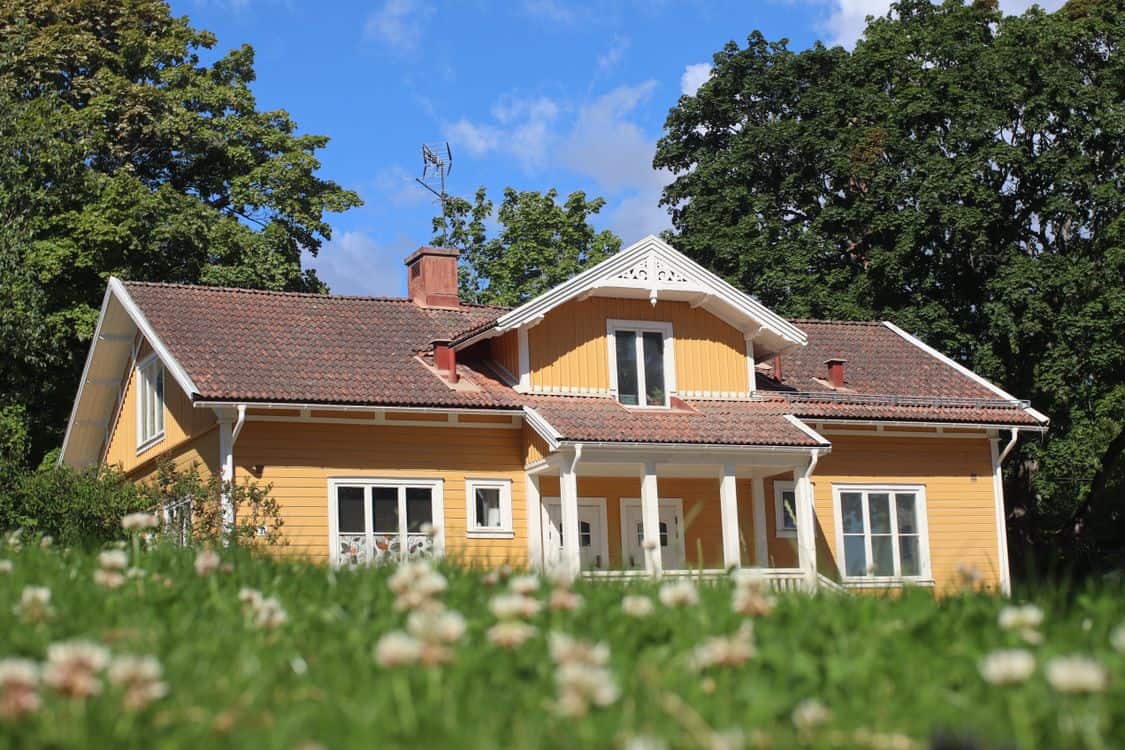
Most people picture heat damage as something that happens on the visible surface of the roof. A lot of it actually works from underneath. On a hundred-degree afternoon, a poorly ventilated attic can climb far hotter than the air outside, and that trapped heat cooks the shingles from below.
The daily swing makes it worse. Roofs expand through the blazing afternoon and contract as the temperature drops overnight, and that constant movement fatigues sealants, loosens fasteners, and works joints apart season after season.
This is why two identical roofs installed on the same street can age at very different rates. The one with proper intake and exhaust ventilation runs cooler underneath and lasts longer, while the one baking in a sealed attic quietly fails ahead of its time.
Planning for Roofs That Live a Shorter Life
The honest takeaway is that the roofing austin homeowners rely on should be planned around the local climate, not the national average. An owner who assumes the full warranty life is setting themselves up to be caught off guard.
Some of the response is in the materials. Reflective or cool-roof shingles, lighter colors, and standing-seam metal all absorb less heat and hold up better under sustained UV exposure. The rest is maintenance, chiefly ventilation and regular inspections that catch heat damage while it is still cosmetic.
As the triple-digit days pile up year over year, the margin for ignoring heat keeps shrinking. The roofs that reach old age in this city will increasingly be the ones whose owners treated summer, not just storm season, as the real test.




Leave a Comment