

For years, building rules varied enough between provinces that “code-compliant” meant something slightly different depending on where you stood. Ontario’s 2024 code was part of a national push to change that, and the effect reaches all the way down to ordinary roof work in Mississauga.
Harmonization sounds like bureaucratic housekeeping, and in a sense it is. But it has a real, useful consequence for homeowners: it makes the phrase “built to code” more meaningful, and the difference between a careful contractor and a careless one easier to see.
The shift to a shared standard
Ontario’s 2024 code took effect January 1, 2025, with a three-month grace period for designs already underway, and it aligns the province with the national building code while retaining Ontario-specific provisions where they are warranted.
The goal is consistency: fewer arbitrary differences between jurisdictions, and a clearer single standard that contractors, designers, and inspectors all work from. For a homeowner, it means the rules governing their roof are now part of a coherent national framework rather than a province-specific patchwork.
Why standardization helps a homeowner
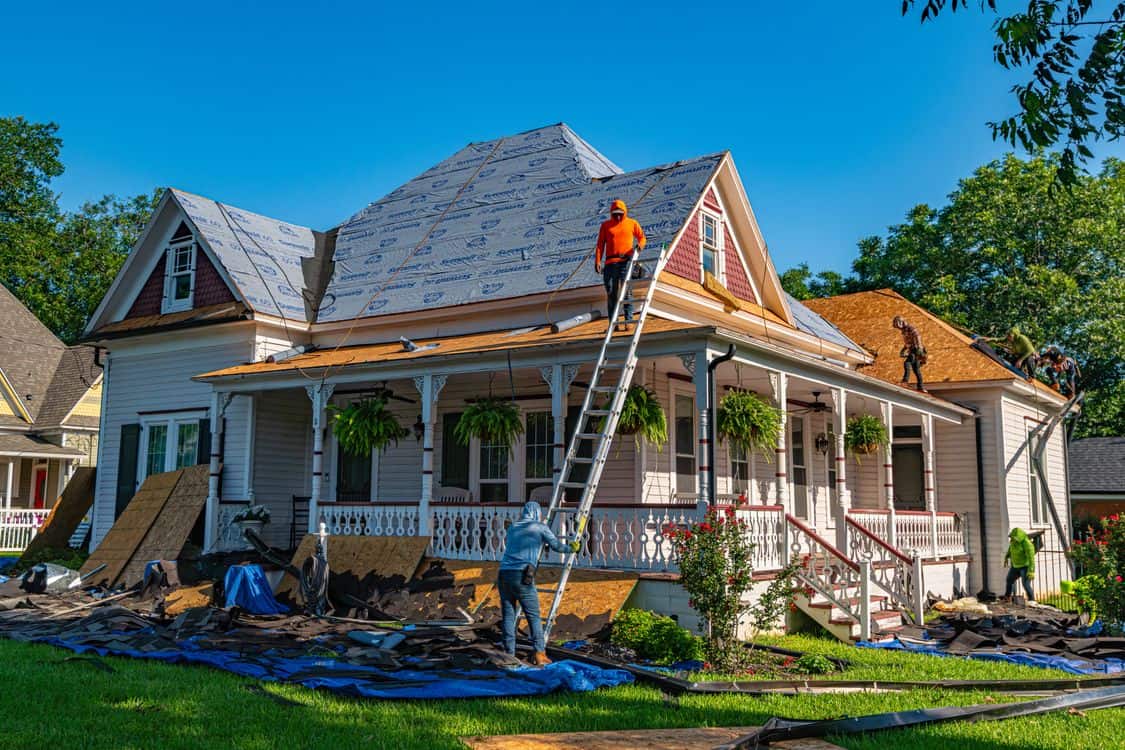
A harmonized code makes “built to code” a more meaningful and more enforceable phrase. When the standard is clear and consistent, the gap between a contractor who builds to it and one who cuts corners is easier to identify, because both are measured against the same well-defined rulebook.
For roofing specifically, that consistency shows up in the structural, ventilation, and documentation requirements a compliant job has to meet. It gives a homeowner a clearer benchmark for what a proper roof should include, and clearer grounds to question a quote that seems to leave things out.
The contractor question it raises
Standardized rules only protect a homeowner if the contractor actually follows them, and that is where the human factor returns. The permit and inspection process is where compliance is checked, and a roofer comfortable working inside that process is signalling something real about how they operate.
In a Mississauga market with plenty of operators of varying quality, a contractor who treats code compliance and documentation as standard practice, rather than an inconvenience to avoid, is the kind worth shortlisting. Comfort with permits and inspections is one of the clearer ways to tell the careful firms from the careless ones.
A clearer rulebook rewards diligence
The lasting benefit of harmonization is that it makes diligence legible. When everyone is measured against the same standard, the contractors who do things properly have a clearer way to demonstrate it, and the ones who do not have fewer places to hide.
For a Mississauga homeowner, that sharpens the value of choosing carefully. The harmonized code raised the floor and clarified the expectations; the remaining variable is whether your particular roofer builds to that clearer standard or treats it as paperwork. Choosing one who does the former is the homeowner’s part of the bargain.





Leave a Comment