

The assumption baked into most gaming-gear marketing is that the customer is sitting at a desktop PC. For years that assumption was mostly correct. A tournament that wrapped up in Jakarta this January is a sign that it is quietly going out of date.
The M7 World Championship for Mobile Legends: Bang Bang became, by Esports Charts’ count, the most-watched mobile esports tournament in history, peaking north of 5.6 million concurrent viewers. That is a number that would have been respectable for a major PC final a few years ago, achieved entirely by a game most people play with their thumbs.
It is tempting to file that away as a story about phones. It is actually a story about a much larger and younger audience entering competitive gaming through a side door, and that audience eventually wants a desk of its own, mouse pad and all.
The Audience Mobile Esports Brings Is New, Not Borrowed
What makes mobile competition significant is that it does not simply move existing PC fans onto a smaller screen. It reaches people who never had access to a gaming computer in the first place, particularly across Southeast Asia, where the M-Series has its deepest roots.
For a huge slice of that audience, a smartphone was the entry point to gaming because it was the only affordable option. The hardware barrier that kept PC gaming exclusive simply did not apply.
But fandom does not stay still. A player who falls in love with the competitive scene on mobile often graduates toward a more permanent setup as soon as they can afford one, and that progression is where the desk re-enters the picture.
The pattern is visible in every maturing gaming market. Mobile gets people in the door. Some fraction of them build out a proper station later, and they arrive with strong opinions about aesthetics already formed by the teams and players they followed on their phones.
Why the Surface Is an Easy Bridge Between Two Worlds
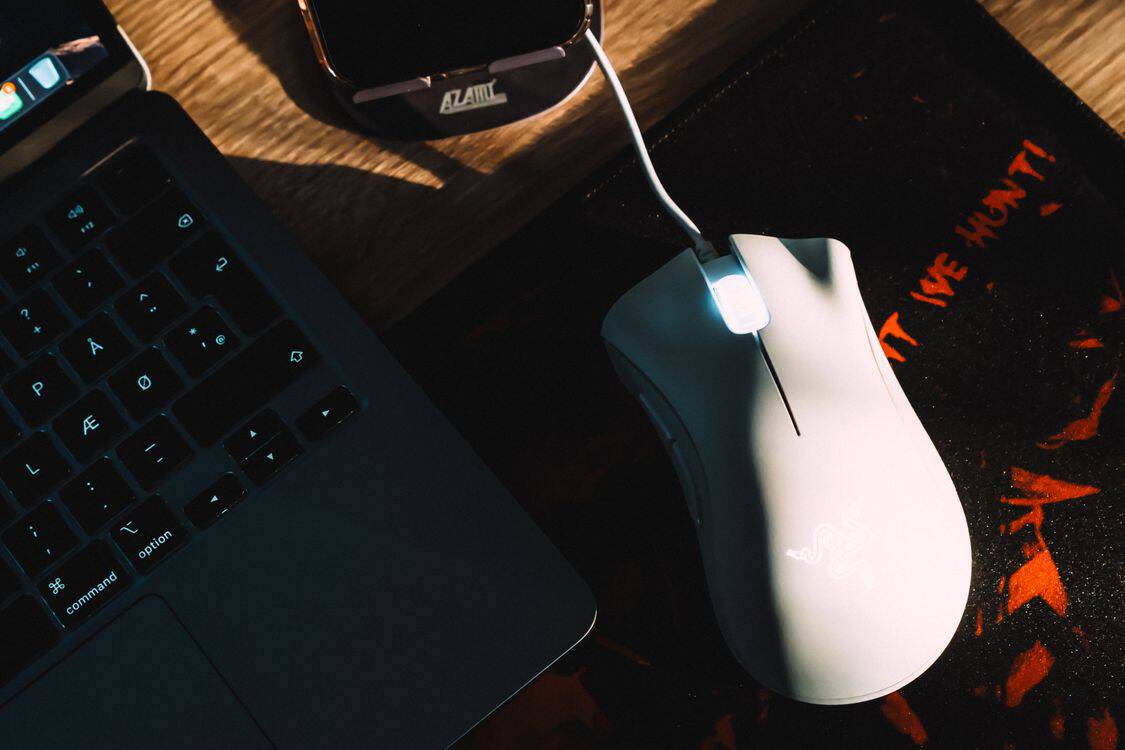
A person migrating from phone to desk faces a long and expensive shopping list. A computer, a monitor, a keyboard, a mouse, an audio setup. Most of those purchases are major and intimidating.
The mouse pad is the gentle one. It is inexpensive relative to everything else, it requires no technical knowledge to choose, and it delivers an immediate sense that the new space belongs to its owner.
It is also where the fandom shows up first. A new desk owner who spent two years cheering for a particular roster wants that allegiance reflected somewhere, and the large flat area beneath the keyboard and mouse is the most natural place to put it.
That is why the mobile boom matters to a category that has nothing to do with phones. The people it produces eventually want a physical space that looks like the scene they love, and personalizing the mouse pad is the cheapest, fastest way to get there.
A Demographic Shift Worth Watching
The headline figure from Jakarta is impressive on its own, but the more important detail is who was watching. The broadcasts set records across Indonesian, Tagalog, and Bahasa Malaysia streams, which points to enormous regional audiences that Western gaming commerce has historically underserved.
Those audiences are young, growing, and increasingly able to spend. As mobile-first fans age into more disposable income, the next wave of desk builders will not look like the stereotype of a North American PC gamer.
They will be more global, more mobile-native, and more attached to titles and teams that barely register in legacy gaming coverage. The brands that understand this will stop assuming every customer started on a keyboard.
It is also worth noting how fast this happened. Mobile esports was a punchline in serious gaming circles not long ago, dismissed as a casual offshoot that would never command real attention. The Jakarta numbers are the kind of figure that ends that argument permanently.
For the businesses that sell desk gear, the practical implication is about marketing as much as product. The imagery, the team references, and the games that resonate with a mobile-first audience differ from the ones that have dominated PC-centric advertising, and reaching the new buyers means speaking their language rather than the legacy one.
The custom mouse pad sits at an unusual intersection of all this. It is one of the few products equally relevant to a hardcore PC veteran and a mobile convert setting up their first real desk. A record-breaking final in Jakarta did not just crown a champion. It signaled where the next generation of desk owners is coming from, and it is not where the industry has been looking. The smart move is to start looking there now, before the rest of the market notices that the map has changed.






Leave a Comment