

Anxiety can feel like a storm in the mind and many people look for gentler ways to cope that sit outside of mainstream pills. Herbal medicine draws on plant based remedies that have been part of human care practices for centuries and it appeals to those who prefer natural alternatives.
Modern researchers have paid more attention to botanicals and a range of trials and reviews now probe whether herbs calm nerves or simply soothe feelings.
What Is Herbal Medicine
Herbal medicine refers to treatments that use whole plants, plant parts, or concentrated extracts to address health complaints and to support wellbeing.
In practice, preparations range from dried teas and tinctures to capsules and topical products, with dosing guided by tradition, practitioner advice, or label directions.
The active compounds in herbs can include flavonoids, alkaloids, terpenes, and other molecules that interact with the body in multiple ways. For anxiety the focus is often on herbs that influence neurotransmitter systems or that have calming effects on the nervous system.
How Anxiety Is Treated Clinically
Clinicians approach anxiety with a toolbox that includes psychotherapy, lifestyle strategies, and pharmacology, each aimed at reducing symptoms and improving function.
Cognitive approaches teach skills to manage worry and to change unhelpful thinking patterns, while medications target chemical pathways that regulate mood and arousal.
Herbal options sometimes sit alongside these methods when patients want complementary choices or when side effects from standard drugs become hard to tolerate. A collaborative plan with a trained clinician reduces risk and picks a path that fits daily life and goals.
Common Herbs Used For Anxiety
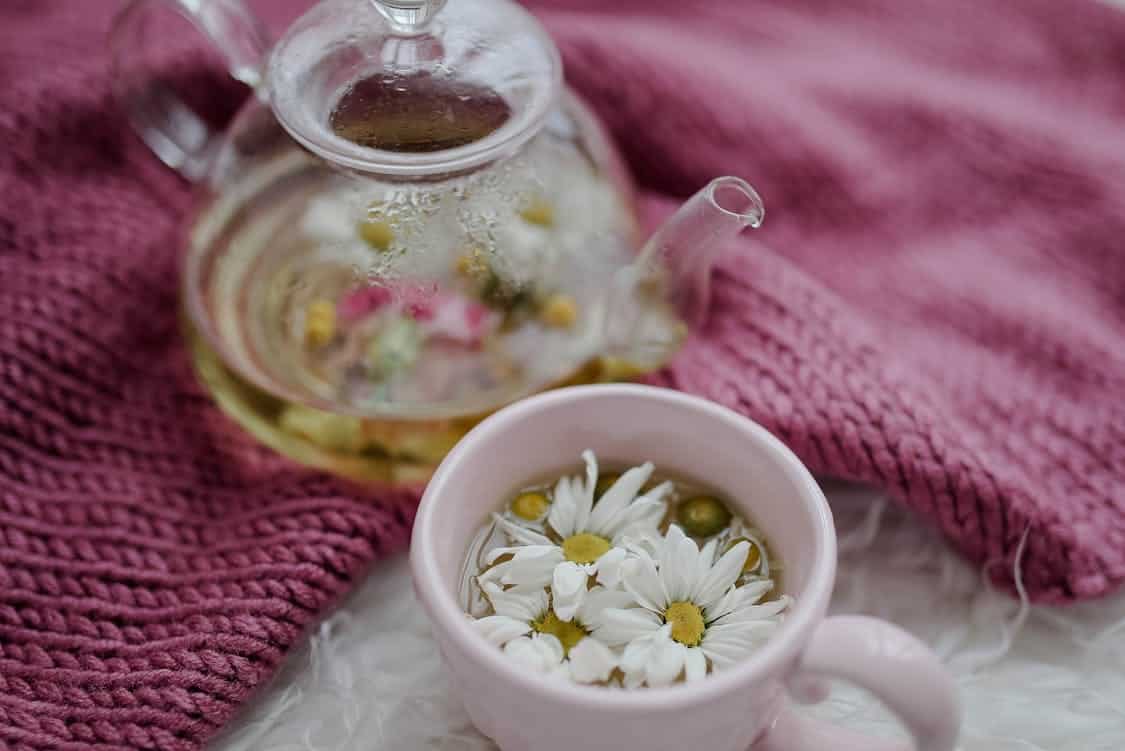
Chamomile is one of the better known calming herbs and people often drink it as a tea to unwind after a busy day. Lavender appears in studies and is used both as an aromatic oil and as an oral extract for short term relief of nervous tension.
Kava has shown strong calming effects in several controlled trials but it has been linked to serious liver problems in some users and that risk colors how it is recommended.
Valerian, passionflower, and lemon balm are other choices that have a history of use for sleep and anxiety and that show mixed levels of scientific support.
What Research Shows
Clinical trials range from small single center studies to larger meta analyses that pool data across studies, and results vary by herb, dose, and study quality. Some herbs show consistent reductions in anxiety scores compared with placebo, while others produce modest changes or results that differ across trials.
Methodological issues such as short follow up, inconsistent dosing, and variable product quality make interpretation tricky and reduce confidence in broad claims.
When effects are recorded they often resemble the size of a light touch, enough to help some people but not to replace proven therapies for severe anxiety.
Safety And Side Effects
Herbal products are often perceived as harmless, yet plant compounds can produce real side effects and toxicities that range from mild upset to organ injury.
Liver, kidney, and nervous system effects are the most worrying in certain herbs and reports of adverse events highlight the need for caution and for using products from reputable sources.
It is common for people exploring natural options to ask practical questions about digestion and comfort, such as do edibles cause constipation, because gastrointestinal changes can influence adherence and overall wellbeing.
Quality control matters because contamination, adulteration, and mislabeling change both safety and expected benefit. Anyone with chronic conditions or with a history of organ disease should check with a knowledgeable clinician before adding a botanical.
Interactions With Prescription Drugs
Many herbs interact with prescription medications by altering how drugs are metabolized or by combining effects on the nervous system and platelets, which can lead to unexpected outcomes.
St John wort is a classic example that speeds the breakdown of numerous drugs and can reduce blood levels of important medications including some antidepressants and birth control agents.
Sedating herbs can increase drowsiness when used alongside sedative prescription drugs and that raises risks for falls and impaired driving. Clear communication with clinicians and pharmacists cuts the chance of a hazardous mix.
How To Choose Quality Products
Look for brands that use third party testing from independent laboratories and that provide transparent information on ingredient sourcing, batch testing, and contamination screens.
Certificates of analysis and lot numbers linked to lab reports help verify that a product contains what it claims and that heavy metals, microbes, and solvent residues fall below safety limits.
Avoid buying products from anonymous sellers or from sources that rely on dramatic claims and on testimonials rather than on objective data. A simple rule is to favor companies that publish evidence of testing and that respond to specific safety questions with clear documentation.
Tips For Use
Start with a low dose and observe how the body responds over a defined trial period, keeping a short symptom log to track sleep, tension, appetite, and mood changes. Set realistic expectations because herbs often offer subtle shifts rather than abrupt cures, and patience over weeks gives a clearer picture of benefit.
If a product produces new or worsening symptoms stop it and seek medical advice, and keep a record of all supplements to share with every clinician involved in care. Small, steady steps and honest notes create a safer path and help decide whether a botanical deserves a place in a broader treatment plan.








Leave a Comment