

Pet care plans aim to take the guesswork out of routine animal health and to smooth the path when things go wrong. Many owners find a plan helps spread costs and removes the surprise element from vet bills for standard visits and certain emergencies.
Policies vary by company and by the age and species of the animal so a quick comparison is worth the time.
Types Of Pet Care Plans
Pet care plans come in several shapes that range from simple wellness packages to full medical protection that pays for accidents and illness. Modern veterinary plans for pets have evolved well beyond basic vaccinations.
Many now include nutrition advice, behavioural guidance, weight management, and early diagnostic testing. This holistic approach reflects how veterinary medicine has shifted towards prevention rather than crisis response.
Veterinary plans for pets also give owners direct access to professional advice throughout the year, not just when something feels wrong. That continuity of care builds trust and improves compliance with treatment recommendations.
For busy households, these plans remove friction, making responsible pet ownership easier while supporting animal welfare at every life stage.
What Routine Preventive Care Covers
Routine preventive care commonly covers exams, core vaccinations and parasite prevention to keep an animal on a steady health track. Annual or semiannual checkups often include basic lab work and weight checks that help catch small problems early before they snowball.
Many plans bundle flea and tick protection or heartworm prevention so those bills are more predictable over a year. Preventive coverage is where a plan can save real cash for pets that need frequent wellness attention.
Emergency And Illness Coverage
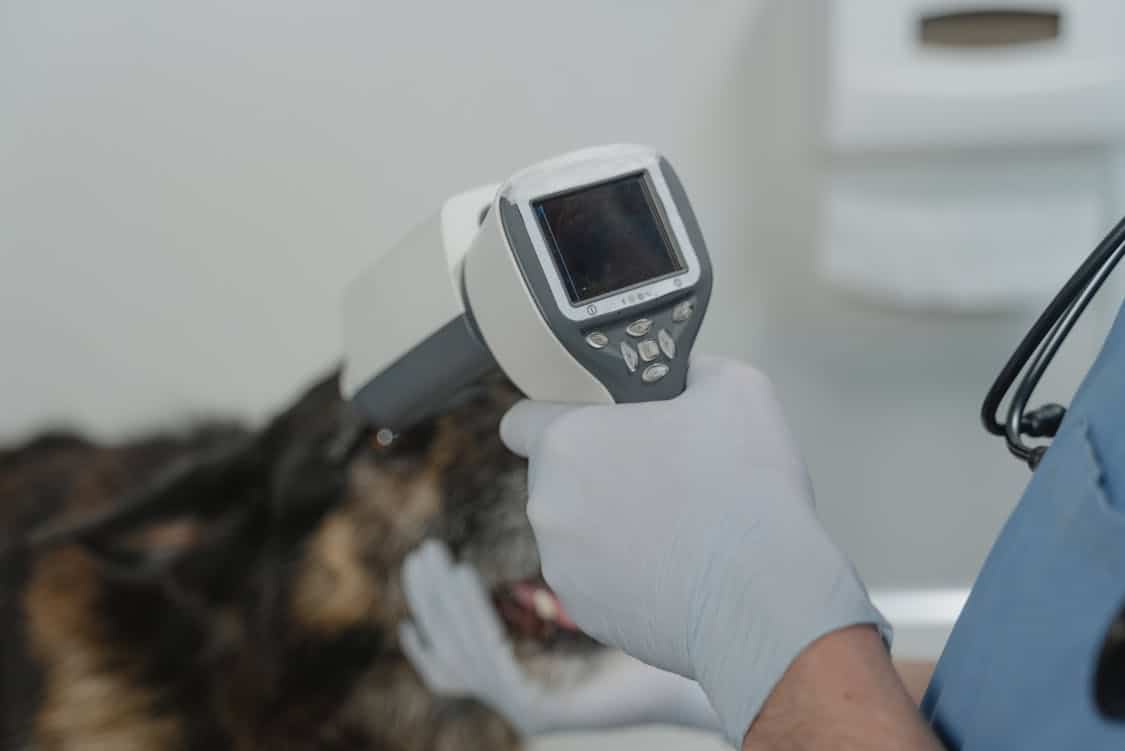
Accident and illness coverage steps in when an unexpected injury or a sudden disease shows up and treatment becomes urgent. Emergency care often includes surgery, hospitalization and follow up visits that would otherwise be big one time expenses for an owner.
Some plans reimburse a percentage of the bill while others pay a fixed amount per condition, and limits can apply by condition or per year. Reading the fine print helps you see whether a scary night at the clinic becomes a manageable expense or a financial headache.
Diagnostics And Advanced Procedures
Diagnostic testing such as X rays, ultrasound, blood panels and biopsies can be costly yet they form the backbone of good treatment decisions.
Many higher tier plans include these tests when they are necessary to diagnose or treat a covered condition, which keeps owners from having to choose between a diagnosis and the monthly mortgage.
Advanced procedures like MRI scans and complex surgeries may need higher level coverage or a separate rider to be paid fully. Ask how diagnostics are billed and whether pre authorization is required before a test or operation.
Medication, Therapy And Rehabilitation
Plans often include prescription drugs that are tied to a covered condition, which can lower ongoing expenses for chronic problems. Physical therapy sessions and rehabilitation services after an injury or surgery are sometimes eligible when they help restore function and reduce recurrence.
Coverage for medications can differ from plan to plan, with some offering full reimbursement and others sharing costs with the owner. For pets on long term meds, the difference in out of pocket cost can be quite large year to year.
Dental Care And Oral Health
Dental illness is a frequent but often overlooked source of pain and cost for animals, and some plans will take care of dental exams and cleanings. Major dental work such as extractions and oral surgery is sometimes covered when a problem develops naturally rather than being pre existing.
Preventive oral care items like cleanings may be listed separately from surgical dental care so the scope matters. If dental health is a priority, checking whether periodontal disease and related surgeries are included is important.
Behavioral Support And Training Services
Behavioral issues such as severe anxiety or aggression can lead to veterinary visits and sometimes to medical treatment, and a few plans offer coverage for behavioral consultations or therapy.
Access to certified trainers or behaviorists may be part of a wellness tier meant to improve an animal’s quality of life and curb costly repeat issues.
Some policies will reimburse for behavior therapy when a veterinarian documents a medical basis for the treatment. That can keep owners from throwing up their hands when behavior becomes a recurring problem.
Policy Limits, Exclusions And Waiting Periods
Most plans place limits on payouts, specify exclusions and impose waiting periods before coverage begins, and these aspects shape real value more than the headline price. Pre existing conditions are commonly excluded and certain breeds or conditions may carry special rules that reduce or deny payment.
Waiting periods can apply to accidents, illnesses and elective procedures so timing a new plan around an upcoming need matters. Look for annual caps, per incident caps and lifetime caps to get the full picture.
Wellness Add Ons And Extras
Wellness extras might include microchipping, routine lab work, spay or neuter procedures and even nutritional counseling as part of a wellness track. These items are sometimes offered as optional add ons you can attach to a base plan in order to build a personalized package.
If a clinic plan ties you to one practice, extras may be limited to services at that clinic, while third party plans often allow a wider choice of providers. Decide if the extra monthly cost matches the services you expect your pet to use over the long term.
How Claims Are Processed And Reimbursed
Claim rules vary widely and will affect how soon you see money back after a visit, and what you pay at the counter. Some insurers pay the clinic directly so you only cover co payments and non covered items, while others require you to pay upfront and then submit receipts for reimbursement.
Response times for claims range from a few days to several weeks, and pre authorization rules can slow treatment if not followed carefully. Understanding the paperwork, deadlines and preferred methods of submission helps avoid delays when time is tight.
Picking The Right Plan For Your Pet
Choose a plan that aligns with your pet’s current health, anticipated future needs and your budget comfort level, and pay special attention to items that matter most to you. Assess whether you want broad protection that covers serious illnesses or a wellness focused plan that handles routine care and vaccines.
Compare provider networks, reimbursement formulas and the ease of filing claims to see which service style fits your life. A little homework up front often saves stress later when an unexpected veterinary bill appears.








Leave a Comment