

Basement leaks turn a once dry lower level into a damp, unpleasant space that damages finishes, ruins stored items, and prompts costly repairs for homeowners who expect long term comfort.
Water is patient and clever, finding the smallest gap in a wall, the weak joint in concrete, or the seam where old membranes have failed, and then exploits that opening until moisture shows up.
Knowing what lets water in and how it moves under pressure helps plan repairs that last and prevents repeated visits to the same trouble spot. Below are clear explanations of common causes and steps you can take to stop leaks now and keep the basement dry over the life of the house.
Common Causes Of Basement Leaks
Basement leaks most often come from external water pressing in through walls and slabs, from failing or aging plumbing within the home, and from persistent humidity that keeps surfaces wet and invites mold and rot.
Soil that holds moisture close to the foundation increases hydrostatic pressure on the wall and can force water through even microscopic openings, and heavy storms magnify that effect.
Old, damaged, or missing exterior waterproof membranes allow groundwater to find the path of least resistance and return to the interior where it stains, corrodes, and degrades materials not meant to be wet. Catching leaks early and addressing the source not merely patching visible stains prevents mold growth and keeps repair bills from ballooning.
How Water Enters Through Walls And Floors
Concrete and masonry look solid but are inherently porous, so water can travel through capillaries in the matrix, migrate along mortar joints, and seep through hairline cracks that develop from thermal movement and settlement.
Hydrostatic pressure builds when the soil around the footing becomes saturated during prolonged rain events or a high water table, and that pressure pushes groundwater through weaknesses in the wall and along construction joints at the slab edge.
At the joint where the slab meets the wall, minor settlement or imperfect compaction during construction can create a tiny channel that opens under load and gives water a direct path into the basement interior.
Even well poured concrete will transmit moisture unless exterior drainage and a continuous waterproof membrane move water away before it can press on the wall, which is why relying on interior coatings alone often fails over the long run.
Foundation Cracks And Structural Problems
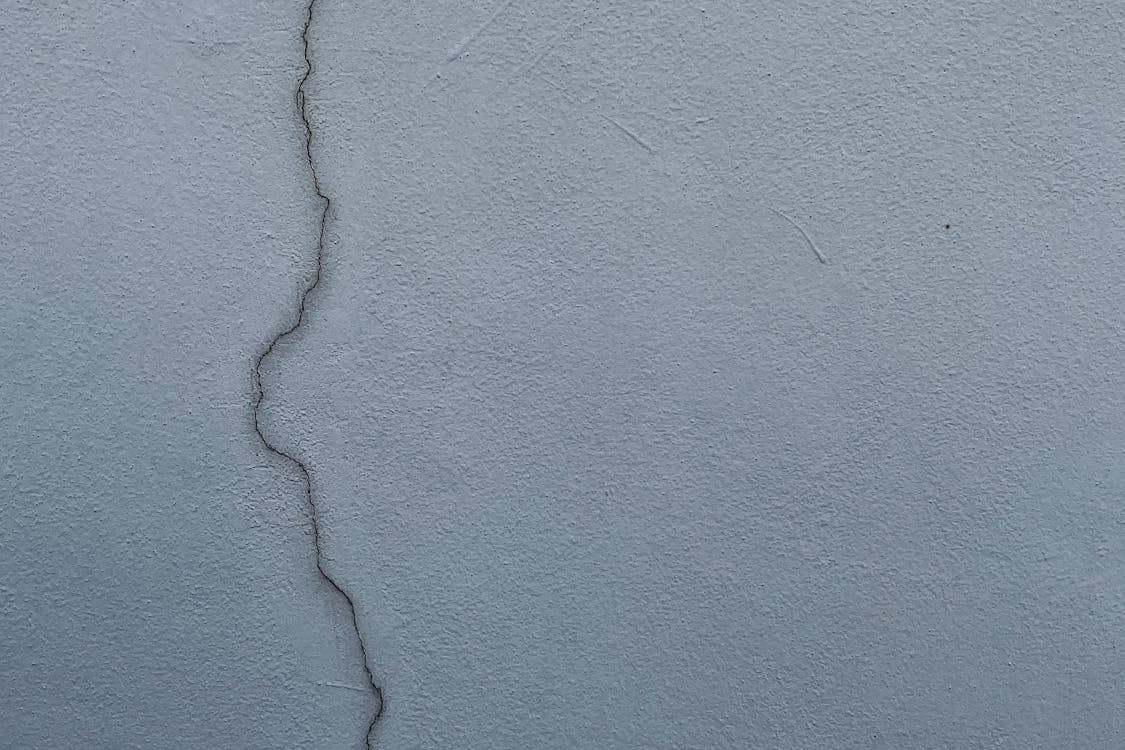
Cracks in the foundation often signal movement such as uniform settlement, differential settlement where one part of the wall shifts more than another, or external forces like expansive clay soils and aggressive tree roots that change pressure on the footing.
Vertical hairline cracks can frequently be repaired with epoxy injection, while stepped or horizontal cracks, or bulging walls, point to more serious stress that calls for structural fixes rather than cosmetic patches.
If left unaddressed, even small openings widen over seasons, allowing more water and air to pass, degrading finishes and the thermal performance of insulation materials, and making the space less healthy for occupants.
To prevent recurring seepage, it is essential to seal cracks where water gets in as soon as they appear, using materials suited to the type and size of the fracture.
A careful evaluation by someone with foundation experience helps match repair methods to the failure mode, and that match matters for a repair that lasts and for avoiding repeated disturbances to the home.
Poor Exterior Drainage And Grading
A yard graded toward the house funnels rainwater to the foundation instead of carrying it away, increasing the volume of water the perimeter drainage must handle and loading the soil so it holds more moisture against the wall.
Compacted soils, patios, and walkways can act like trays, directing runoff to small gaps at the foundation line, and even modest slope reversals around planting beds can create persistent wet spots.
Simple fixes include regrading the soil to shed water away from the structure, adding swales or surface drains to intercept flows, and making sure the base of siding and cladding is high enough above grade to keep splash back at bay.
A little earth moved in the right places often prevents major excavation and cost later, and the yard should be treated as part of the waterproofing system rather than an afterthought.
Faulty Or Clogged Gutters And Downspouts
Leaves, seedpods, and other debris collect in gutters and form dams that force water over the lip and down the wall face where it soaks into shallow soils and then migrates to the footing.
When downspouts terminate a short distance from the house the concentrated flow soaks nearby fill and undermines the designed drainage profile, and that puddling increases the chance of seepage at the base of the wall.
Extending downspouts, adding splash blocks, or installing an underground run to a drywell or storm sewer takes roof water away from the foundation and greatly reduces the load on perimeter drains.
A seasonally scheduled gutter clean and a quick check during heavy leaf fall are simple habits that lower the probability of a next season surprise and keep surface water behavior predictable.
Plumbing Leaks And Appliance Failures
Indoor plumbing can be just as culpable as outside water, with pinhole leaks in copper lines, cracked plastic fittings, failed washers, and old flexible hoses all releasing water into cavities that drain to the basement.
Water heater tank corrosion or a failed inlet valve can empty a tank into the floor area in a matter of minutes, and washing machine supply hoses are a common source of sudden floods.
Simple upgrades such as braided stainless hoses, a pressure reducing valve, and a float style automatic shutoff for appliances reduce exposure to sudden failures and give you time to stop a flow before it becomes a big repair.
Regular inspection of connections, a short pressure test when a long run is suspected to leak, and periodic replacement of vulnerable parts are proactive habits that prevent many basement water events.
Effective Repairs And Waterproofing Techniques
Interior repair methods include patching active leaks with hydraulic cement or injecting flexible polyurethane foam that expands to fill voids and then cures to a watertight seal.
For structural or chronic infiltration, an exterior approach that involves excavation, installing a modern waterproof membrane, adding a drainage board, and connecting a subsurface drain to a sump will move water away before it contacts the wall.
Sump pumps should be rated for the worst likely inflow, placed in a settled sump pit with proper discharge piping, and backed up with a battery or generator arrangement so a storm will not lead to failure when power goes out.
Interior coatings and sealants have their place as a stopgap and for cosmetic control of vapor, but they do not replace good exterior drainage work and a solid plan that addresses the source.
Routine Maintenance And Monitoring
A maintenance plan that includes seasonal checks of gutters, downspouts, grading, and interior drains keeps small changes from becoming leaks that surprise you after heavy rains. Monitor sump pump cycles, test the float, and exercise backup power in the off season so equipment performs when called upon during storms.
Control humidity with a correctly sized dehumidifier and seal passive air leaks around penetrations so condensation is less likely on cold masonry or on exposed pipes. Keep a short log of inspections, notes on what was found, and dates of fixes so patterns become clear and issues get addressed before they repeat.






Leave a Comment