

Owning gold and silver has been a constant thread through human finance for centuries, offering a type of ballast when other assets wobble. These metals carry a mix of practical utility and symbolic weight that keeps them relevant beyond passing trends.
Over long horizons they present a set of features that many investors find comforting and useful for planning ahead.
1. Hedging Against Inflation
Gold and silver are often used to shield purchasing power when paper money loses value, because the supply of these metals cannot be printed at will. Their prices tend to react to real shifts in currency confidence and central bank policy, making them a tool for preserving wealth across long cycles.
Investors who hold metal can reduce the risk that inflation will erode the real value of savings held in cash or low yield accounts. The phrase worth its weight in gold is more than old hat; it captures a practical response to rising costs.
Throughout history rulers and governments have debased coinage and expanded money supplies, and precious metals have preserved relative value through those episodes. For people who plan across decades, having an asset that does not depend on a single issuer or ledger offers a kind of insurance against monetary decay.
That does not mean metals climb every year, yet their long run tendency to keep purchasing power makes them attractive for a defensive sleeve in a larger plan. There is comfort in holding something with intrinsic use and a track record that outlives political cycles.
2. Portfolio Diversification
Gold and silver often move independently of equities and fixed income, so adding them can lower portfolio volatility and smooth returns over time. Correlation patterns shift, but many studies show that precious metals have offered diversification when other assets fell out of favor.
A well balanced allocation treats metals like one of several tools to spread exposure across different economic outcomes. Investors looking for balance aim to avoid putting all their eggs in a single basket, and metal ownership can play that part.
Silver brings an extra twist because it has both investment appeal and strong industrial demand, which links it to production cycles in a way gold is not. That dual character means silver may respond to both safe haven flows and manufacturing trends, giving portfolios access to different drivers of return.
Rebalancing toward target weights after market moves can lock in gains and keep risk in check, and metals offer a clear, liquid means to do that. Over long horizons such discipline often produces steadier outcome patterns.
3. Tangible Asset And Safety
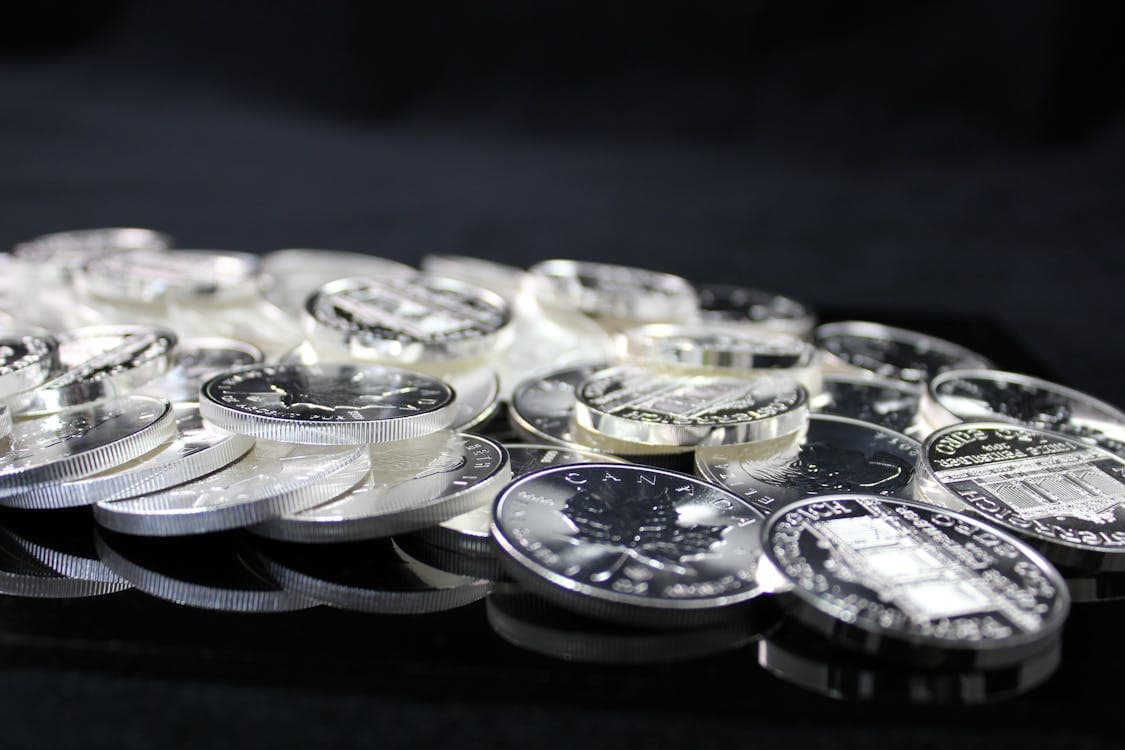
Physical possession of gold and silver removes many counterparty exposures that digital or paper claims carry, because ownership is direct and does not require a promise from a third party. For those starting out, understanding the value of silver coins adds confidence when selecting bars versus minted rounds.
A bar, coin, or certified round exists outside bank ledgers and can be transferred without depending on a payment system that could freeze or fail.
That tangible quality resonates with people who prefer control of specific assets and the option to move value quietly if needed. Safe storage and records are sensible steps, but the basic fact of ownership is simple and durable.
Legal title and verifiable assay standards add an extra layer of security when buying reputable forms of metal, which helps in transactions across borders or new jurisdictions. Insured vaults, private safes, and certified custodians provide choices that match different comfort levels for custody and confidentiality.
In volatile times, the ability to possess something physical with recognised purity can reduce anxiety and provide a practical fallback. For many, the sight of a minted coin or polished bar is reassurance that paper promises are not the only form of wealth.
4. Liquidity And Market Depth
Gold and silver markets are large and global, with active exchanges, dealers, and refiners that facilitate buying and selling day to day, which makes conversion to cash straightforward under normal conditions. Coins and smaller bars are especially handy because they come in sizes that suit everyday needs and permit partial sales without disturbing the entire holding.
That fluidity means an owner can access funds or adjust allocations without long delays, and market professionals support price discovery and settlement. Where physical transfer is not desired, certificates and allocated accounts offer alternative paths to liquidity while keeping exposure to the metal.
Market liquidity also encourages price transparency, as numerous bid and ask quotes form a visible picture of value that can be checked against multiple sources. Because gold has been traded internationally for many years, market infrastructure is mature and tends to function even when local markets sputter.
Dealers in different time zones and online platforms allow owners to reach counterparties from many places, which reduces friction when selling. For those who want to turn metal into cash on a practical timetable, the depth of these markets is an advantage.
5. Long Term Value And Generational Transfer
Gold and silver have long been used to transfer wealth across generations, since their physical nature and universal recognition make them easy to pass along as gifts or inheritance. Heirlooms can carry family stories and financial value in equal measure, which helps preserve capital and memory together.
Estate planning that includes precious metals can offer a form of financial continuity that is tangible and portable, useful in times of change. Members of a family often know how to convert coins or bars into resources when needed, which keeps the value accessible across ages.
Cultural and emotional attachment can reinforce the economic case, because items that hold personal meaning are more likely to be preserved rather than spent impulsively, and that habit supports intergenerational wealth retention.
Over long spans, increments of appreciation and careful stewardship add up, making small holdings a seed for larger legacy planning.
Tax and legal frameworks vary, yet many jurisdictions treat physical precious metals in ways that allow thoughtful transfer with proper documentation. When one combines sentimental value with monetary function, the result can be both practical and heartening for families planning ahead.







Leave a Comment