

A timber deck can lift the look of a home without draining the bank account. With careful touches and focused work you can make oak, pine or hardwood read like a high end build rather than a weekend job.
Small upgrades that play to proportion, color and texture will often have the biggest visual payoff. Here are five affordable timber deck upgrades that deliver a polished look while keeping materials and labor costs reasonable.
1. Stain Renewal And Protective Finish
A fresh stain will revive the grain, hide weathering and set a new tone for the whole outdoor room. Choose a color that plays well with house trim and plantings, and test a small area so the result is predictable.
Light sanding and a brightener before staining are cheap steps that help new finish last and bond properly to the wood. After staining, a clear protector will mute chalking and keep the color truer for longer.
Top coats come in satin or low sheen finishes that read more refined than a glossy film, and some formulations add UV blockers that slow sun fade. Pick a product that is formulated for timber decks and follow the label for drying and curing times so the finish performs as intended.
Re apply top coats when traffic starts to show rather than waiting for failure, and you will avoid larger repairs later. These tasks fit many DIY schedules and still give a results oriented refresh.
2. Updated Railing And Trim Details
Swap out an old top rail for a wider timber cap and the whole deck will look more custom and solid. A broad cap doubles as a place to set a drink and reads like built in furniture more than a railing, especially when the fasteners are hidden.
Painting posts and balusters in a contrasting but muted tone adds architectural definition that draws the eye to clean lines. Small trim boards at the deck edge give a finished outline and can be routed for a subtle profile.
Replacing worn post caps, tightening loose balusters and filling gaps will make a structure feel cared for and deliberate rather than neglected. For convenience and better choice, many homeowners now order timber online to source matching boards and trim without multiple trips to the yard.
If budget allows, replace a few simple balusters with a pair of metal spindles to hint at a higher end treatment without a wholesale swap.
Careful caulking at corner joints and neatly sanded transitions complete the look and make the new work stand out. These actions are labour light while having an outsized effect on perceived quality.
3. Built In Planters And Bench Seating
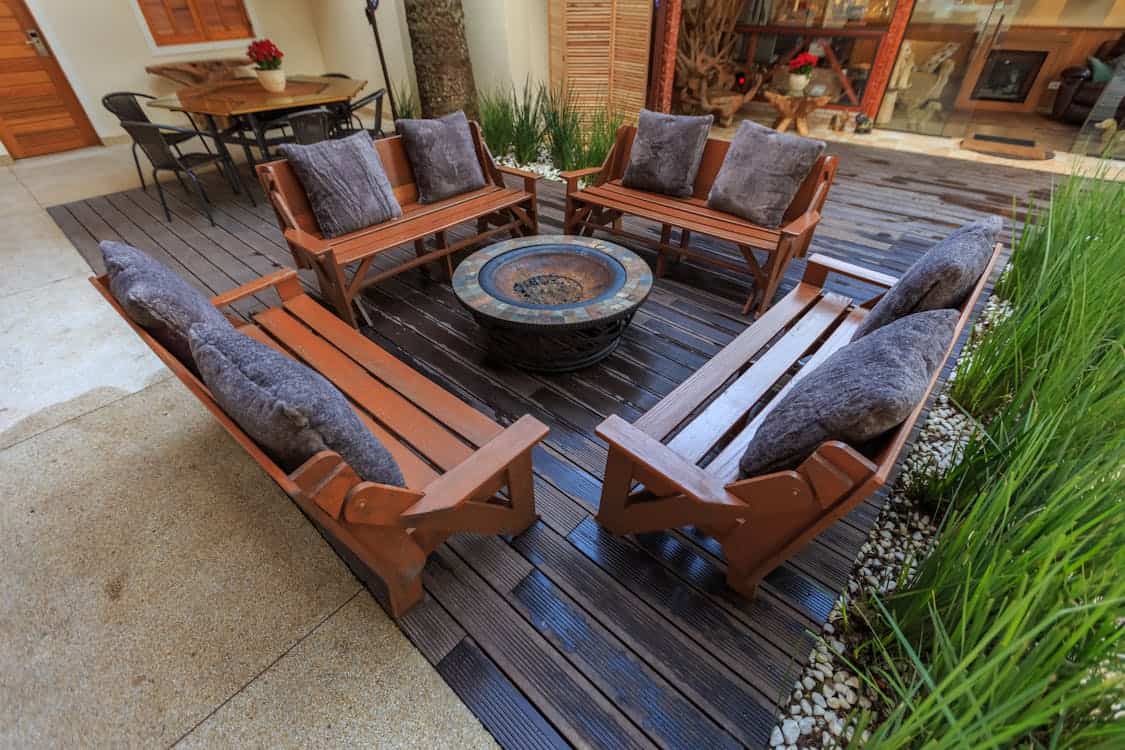
Integrated planters and benches bring structure and function that reads like custom cabinetry for the outdoors. Building a single long bench across one side provides seating and a neat silhouette while allowing the rest of the deck to breathe.
Planters framed to match the bench or deck trim tie plantings to the construction so greenery appears intentional instead of tossed on. Use rot resistant timber and a liner to protect the main structure from soil and moisture.
Storage under a hinged bench seat keeps cushions and tools out of sight and preserves the clean lines you worked to create. Plantings with varied height will soften rail lines and add a sense of depth, with taller grasses or small shrubs at corners to anchor sight lines.
Cushions in restrained tones and weather resistant fabrics act like jewelry that pulls the whole scheme together. Each added piece is multifunctional, which makes every pound spent punch above its weight.
4. Low Voltage Lighting And Smart Placement
Proper lighting turns the deck from decorative to functional after dusk and signals a professional touch. Recessed step lights, post cap lamps and warm LED strips under the rail create layers of glow that feel intentional and calm.
Hide wiring beneath deck boards and run low voltage lines to minimize visible clutter and reduce risk, which keeps the effect clean. Use fixtures with warm color temperature to flatter timber tones and the rest of the yard.
If wiring is not an option, several solar fixtures now deliver steady light that charges during the day and comes on at night without a major install. Place lights to highlight walkways, entrance points and planter corners rather than lighting every inch, which yields a curated look.
Timed controls or simple dusk sensors add ease and keep the deck usable with minimal fuss. That small investment in illumination will have guests remarking on the mood instead of the cost.
5. Patterned Decking And Border Inlay
Varying plank direction or adding a narrow border of contrasting timber is a clever way to make ordinary boards read luxury. A diagonal field with a straight border frames the space and reads custom without replacing the entire deck.
A simple herringbone panel at a seating area or a perpendicular band around the edge creates visual interest and gives the eye a place to rest. Using reclaimed or darker scrap boards for the border can be cost effective while offering a designer feel.
Precise cuts and tight joints are the secret to making patterned work believable rather than makeshift, so take the time to measure and mark carefully before fastening. Small filler strips along posts and neat screw patterning keep the design language consistent and tidy.
Treat the border boards with the same stain and finish as the main floor to tie them into one cohesive whole. The effect is one of intention, and that quality often reads as expensive regardless of actual spend.


Leave a Comment